When ferritin lies — finding hidden iron deficiency.
Iron deficiency can hide behind a "normal" ferritin. The pattern to look for on routine labs, the follow-up tests that settle it, and why finding the cause matters more than the supplement.
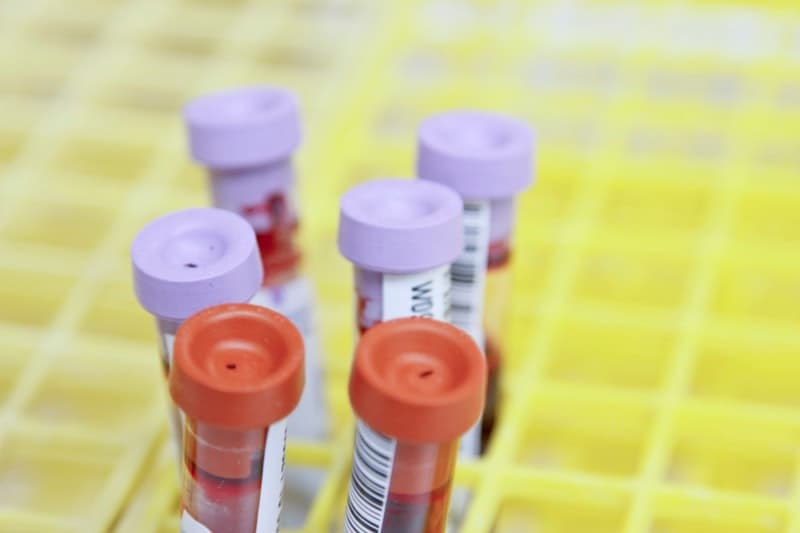
Fatigue, breathlessness on stairs, restless legs, hair shedding, ice cravings — you finally get blood work, and it comes back "normal." Hemoglobin fine. Ferritin 45, comfortably inside the reference range. Case closed?
Not necessarily. Iron deficiency is one of the most common — and most commonly missed — findings in general medicine, and the reason it gets missed is that ferritin, the standard screening test, has a well-known blind spot.
Ferritin's double life
Ferritin is the protein that stores iron, so a low ferritin reliably means low iron stores. The catch is that ferritin is also an acute-phase reactant — it rises with inflammation of almost any kind. Infection, autoimmune disease, obesity, fatty liver, chronic kidney disease, even strenuous recent exercise can push ferritin up.
So a person with genuinely empty iron stores and a bit of background inflammation can post a ferritin of 60 or 80 and sail through screening. The number isn't wrong; it's answering a different question than the one you asked.
A second wrinkle: reference ranges typically start around 15–30, but many clinicians consider values under about 30 — and in symptomatic menstruating women, sometimes under 50 — worth treating or at least investigating. "In range" and "optimal" are not synonyms here.
The pattern that gives it away
Iron deficiency usually leaves fingerprints on the routine complete blood count (CBC) before hemoglobin drops:
- MCV drifting down — red cells getting smaller over time (compare with your old reports; the trend beats the snapshot)
- RDW creeping up — a mixed population of old normal cells and new small ones
- Platelets mildly elevated — a classic, frequently overlooked companion of iron deficiency
- Hemoglobin at the low end of normal when your previous results were mid-range
If your labs show this pattern with a "normal" ferritin, the next step is simple and cheap: ask about iron studies — serum iron, transferrin (or TIBC), and transferrin saturation (TSAT). A TSAT below roughly 20% with symptoms strongly suggests iron-restricted red cell production regardless of what ferritin says. Where available, checking CRP alongside helps reveal whether inflammation is inflating the ferritin.
The question that matters more than the supplement
Here is the part that genuinely affects outcomes: iron deficiency is a finding, not a diagnosis. Iron doesn't just evaporate. In menstruating women, heavy periods are by far the most common cause — and are themselves treatable. In everyone else, and in any woman whose deficiency doesn't fit her menstrual history, the key question is where is iron being lost or why isn't it being absorbed?
- Gastrointestinal blood loss — ulcers, polyps, and importantly, colon cancer. This is why new iron deficiency in men and post-menopausal women generally warrants a discussion about endoscopy, even with no gut symptoms at all.
- Celiac disease and other absorption problems — a simple blood test screens for it
- Long-term acid-suppressing medication, which reduces iron absorption
- Diet — possible, but in adults it should be a conclusion you reach after excluding loss, not before
- Frequent blood donation, pregnancy, endurance training
Skipping this step and going straight to supplements can feel efficient. It can also quietly delay the diagnosis of something serious by a year.
About supplements
Oral iron works for most people but is famously hard on the stomach, and evidence now supports gentler schedules (such as alternate-day dosing) absorbing just as well or better — discuss the specifics with your doctor or pharmacist rather than self-designing a regimen. Expect treatment to run for months after hemoglobin normalizes, because the goal is refilling stores, not just fixing the count. Recheck labs are part of the plan, not optional. And if oral iron fails or isn't tolerated, IV iron is a well-established option — its modern formulations are far safer than the older ones that gave it a bad reputation.
When to see a doctor
- Symptoms of anemia — persistent fatigue, breathlessness, palpitations, unusual pallor
- Any iron deficiency finding if you are a man or a post-menopausal woman — the cause matters
- Black or tarry stools, blood in stool or vomit, or unexplained weight loss — promptly
- Heavy periods that soak through protection hourly or last more than 7 days
- Chest pain or severe breathlessness at rest — emergency services, immediately
The bottom line
If you feel iron-deficient but your ferritin says otherwise, don't argue with the lab — ask a better question. A CBC trend, transferrin saturation, and an honest search for the cause will settle what a single ferritin cannot.
General information only — lab interpretation depends on your full history and should be done with your clinician.