PulmonologysevereICD-10 · J18.9
Pneumonia.Care & specialists in Brazil
In Brazil, pneumonia is managed by pulmonologists. Pneumonia is an infection of the alveolar airspaces of the lung, most often bacterial or viral, that fills those airspaces with inflammatory fluid and pus and impairs oxygen exchange. It causes roughly 1.4 million emergency-department visits and 41,000 deaths each year in the United States, and it remains the single largest infectious killer of children under five worldwide (around 700,000 deaths in 2019, per GBD).

aliases · Pneumonia (lung infection)· Nimonia· Niumonia· Phupphoosa ka Sankraman· reviewed May 12, 2026
Reviewed by AIHealz Medical Editorial Board · PulmonologyLast reviewed May 12, 2026
About our board →§ 01
What it is
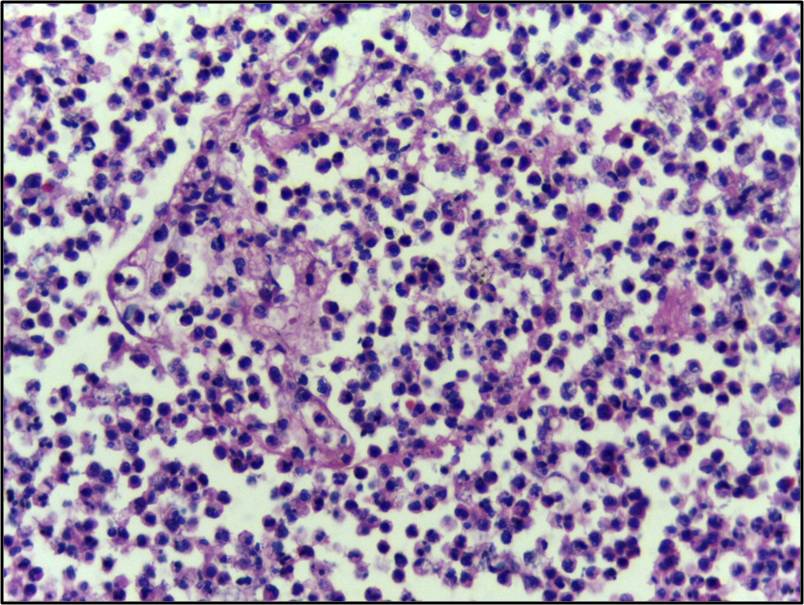
Pneumonia (ICD-10: J18 for unspecified organism, J12-J17 by pathogen, J15 for bacterial pneumonia, J84 for atypical patterns) is an acute inflammation of the lung parenchyma in which alveoli — the gas-exchange sacs at the end of the airways — fill with neutrophils, edema fluid, fibrin, and microbial debris. The consolidation that results blocks oxygen from crossing into pulmonary capillaries, which is why hypoxia is the cardinal physiologic finding. Pneumonia is classified by where it was acquired (community-acquired, hospital-acquired, ventilator-associated, or healthcare-associated), by the offending organism (typical bacterial such as Streptococcus pneumoniae; atypical bacterial such as Mycoplasma pneumoniae and Legionella; viral such as influenza, RSV, and SARS-CoV-2; fungal in immunocompromised hosts), and by anatomic pattern on imaging (lobar, bronchopneumonia, interstitial, cavitary). The 2019 ATS/IDSA guideline is the operational reference for community-acquired pneumonia in adults; pediatric guidelines come from the IDSA/PIDS.
key facts
- Prevalence
- ~1.4 million US ED visits and 1.5 million hospitalizations per year (CDC 2018-2019)
- Demographics
- Adults ≥65 and children <5 carry the highest incidence; men have ~30% higher hospitalization rates
- Avg. age
- Median hospitalization age 65; childhood peak before age 2
- Global cases
- ~450 million cases per year; ~2.5 million deaths globally (GBD 2019, all ages)
- Specialist
- Pulmonology
- ICD-10
§ 02
How you might notice it

The key symptoms of Pneumonia are: Cough productive of yellow, green, rust-colored, or blood-tinged sputum, persisting for several days and worsening rather than improving., Fever with shaking chills, often spiking to 38.5-40°C and accompanied by drenching sweats; older adults may instead present hypothermic., Pleuritic chest pain — a sharp, localized chest discomfort that worsens with deep breaths or coughing, indicating pleural-surface inflammation., Shortness of breath at rest or with minimal exertion; in severe cases, room-air oxygen saturation falls below 92%., Tachypnea (respiratory rate >24/min) and tachycardia (heart rate >100/min) reflecting the body's compensatory response to hypoxia., Fatigue and malaise that can be profound, with many patients describing the inability to climb a single flight of stairs., Confusion or new-onset disorientation, especially in adults over 65 — sometimes the only obvious symptom in this group..
§ 03
How it’s diagnosed
diagnosis
Pneumonia is a clinical diagnosis confirmed by imaging. The workup begins with a focused history (onset, sputum character, travel, sick contacts, vaccinations, immunosuppression) and a physical exam that may reveal focal crackles, bronchial breathing, dullness to percussion, or increased tactile fremitus over the consolidated lung. Vital signs and pulse oximetry establish severity. The single most important test is a chest radiograph: a new opacity confirms the diagnosis, and the pattern (lobar, multifocal, interstitial, cavitary) narrows the pathogen list. When chest X-ray is equivocal or the patient is severely ill, CT chest is more sensitive and is now the preferred modality in many emergency departments. Bloodwork includes CBC, basic metabolic panel, lactate, and procalcitonin; an elevated procalcitonin supports bacterial etiology and helps with antibiotic stewardship. Severity is scored with CURB-65 or the Pneumonia Severity Index to decide outpatient vs ward vs ICU disposition. Pathogen-specific testing (sputum Gram stain and culture, blood cultures, urinary pneumococcal and Legionella antigens, respiratory viral PCR panel, COVID-19 testing) is reserved for hospitalized or severe cases per the 2019 ATS/IDSA guideline. Empirical antibiotic therapy is started while results are pending.
Key tests
01
Chest X-ray (PA and lateral)Confirms diagnosis by demonstrating new pulmonary infiltrate. Distinguishes lobar consolidation, bronchopneumonia, interstitial pattern, cavitation, and pleural effusion.
§ 04
Treatment & cost
medical treatments
- ✓Amoxicillin (500 mg-1 g three times daily)
- ✓Doxycycline (100 mg twice daily)
- ✓Ceftriaxone (1-2 g IV daily) plus azithromycin (500 mg IV/PO daily)
- ✓Levofloxacin (750 mg IV/PO daily) or moxifloxacin (400 mg IV/PO daily)
surgical options
Tube thoracostomy (chest tube) for complicated parapneumonic effusion or empyemaResolution in 70-80% with chest tube alone; tPA-DNase improves drainage and reduces need for surgery (MIST-2 trial).
Video-assisted thoracoscopic surgery (VATS) decortication85-95% durable resolution in series of patients failing medical/chest-tube management.
Surgical resection for lung abscess refractory to antibioticsCurative in nearly all surgically resected cases; <5% of lung abscesses ever require resection.
§ 05
Causes & risk factors
known causes
- Streptococcus pneumoniae
- The pneumococcus is the leading typical bacterial cause of community-acquired pneumonia worldwide and remains the most common organism identified in hospitalized adults. Polysaccharide capsule virulence and serotype distribution drive vaccine design (PCV15, PCV20, PPSV23).
- Respiratory viruses
- Influenza A and B, respiratory syncytial virus, SARS-CoV-2, human metapneumovirus, parainfluenza, rhinovirus, and adenovirus together account for 20-40% of identified CAP. Viral pneumonia can be primary or set the stage for secondary bacterial superinfection.
- Atypical bacteria
- Mycoplasma pneumoniae, Chlamydophila pneumoniae, and Legionella pneumophila lack a true cell wall or live intracellularly, which makes beta-lactams ineffective. They cause roughly 15-20% of outpatient CAP and present with prominent extrapulmonary symptoms.
- Aspiration of oropharyngeal contents
- Microaspiration is common in healthy adults but cleared by ciliary defenses. When swallowing is impaired (stroke, dementia, alcohol, anesthesia) or large-volume aspiration occurs, anaerobes, viridans streptococci, and Gram-negative rods seed dependent lung segments.
- Hospital and ventilator exposure
- Endotracheal tubes, mechanical ventilation, broad-spectrum antibiotic pressure, and contact with healthcare environments shift the microbiome toward multidrug-resistant Gram-negatives (Pseudomonas aeruginosa, Klebsiella, Acinetobacter) and MRSA.
- Fungal infection in immunocompromised hosts
- Pneumocystis jirovecii, Aspergillus species, Cryptococcus, and endemic mycoses (Histoplasma, Coccidioides) cause pneumonia in patients with HIV/AIDS, transplant recipients, or those on prolonged corticosteroids or biologics.
- Tuberculosis and other mycobacteria
- Mycobacterium tuberculosis still causes ~10 million new cases per year globally (WHO 2023). It produces a chronic, often cavitary pneumonia and must be considered in any subacute cough lasting more than 2-3 weeks, especially with night sweats or weight loss.
§ 06
Living with it
recommended foods
- •Adequate dietary protein (1.0-1.2 g/kg/day) to support immune function, particularly in adults over 65
§ 07
When to seek help
why see a pulmonology
Refer to a pulmonologist for pneumonia that fails to improve after 72 hours of appropriate antibiotics, for recurrent pneumonia in the same lobe (which may signal an obstructing tumor or bronchiectasis), for cavitary or necrotizing disease, and for any patient with risk factors for tuberculosis. Infectious-disease consultation is appropriate for severe CAP with suspected resistant pathogens, immunocompromised hosts, and patients with unexplained eosinophilic pneumonia or fungal disease.
Find specialists →Related conditions
Acute BronchitisBronchitis is the most common viral lower respiratory infection and the closest mimic of mild pneumonia.Read →COPDCOPD is the strongest chronic lung-disease risk factor for pneumonia and the leading reason for HAP after exacerbation admission.Read →AsthmaSevere or steroid-dependent asthma raises pneumonia risk and complicates antibiotic selection.Read →TuberculosisTB is on the differential of any subacute cough, especially in patients from endemic regions.Read →Lung CancerPost-obstructive pneumonia is sometimes the presenting feature of a previously undiagnosed lung cancer.Read →
Easily confused with
vs. Pneumonia
Acute BronchitisBronchitis inflames the larger airways but spares the alveoli, so chest X-ray is normal and pulse oximetry is preserved. Cough is dominant; high fever, focal crackles, and consolidation point to pneumonia rather than bronchitis.Compare →vs. Pneumonia
AsthmaAsthma causes wheeze and reversible airflow obstruction without infiltrate. Pneumonia produces focal infiltrate and crackles; both can coexist, and an asthma exacerbation triggered by viral infection can transition to pneumonia.Compare →vs. Pneumonia
COPD ExacerbationA COPD exacerbation worsens chronic dyspnea and sputum production without a new infiltrate; pneumonia adds a new opacity on chest X-ray and typically a higher fever and CRP.Compare →vs. Pneumonia
TuberculosisTB classically causes a subacute cough over weeks, night sweats, weight loss, and upper-lobe cavitary disease, whereas bacterial pneumonia is days-acute with lower-lobe consolidation. Any cough longer than 2-3 weeks plus risk factors needs TB testing.Compare →vs. Pneumonia
Lung CancerA post-obstructive pneumonia distal to a bronchial tumor may present identically to ordinary pneumonia but fails to clear radiographically by 6-8 weeks. Persistent or recurrent same-lobe pneumonia in a smoker mandates CT and bronchoscopy.Often appears alongside
Types and stages
Living with Pneumonia
Timeline
Most patients with uncomplicated outpatient CAP feel substantially better within 5-7 days and return to baseline activity by 2-3 weeks. Fatigue and reduced exercise tolerance often persist 4-6 weeks. Radiographic abnormalities resolve fully in 6-8 weeks in adults under 50 and may take 12 weeks or longer in older adults or those with comorbidities. Patients hospitalized for severe pneumonia typically require 8-12 weeks for full functional recovery and may benefit from pulmonary rehabilitation.
Lifestyle
- 01Practice hand hygiene during respiratory virus season; alcohol-based sanitizer or 20-second handwashing after coughing or contact with sick contacts.
- 02Avoid prolonged exposure to indoor air pollution — particularly second-hand smoke and biomass-fuel cooking smoke without ventilation.
- 03Sleep with the head of the bed elevated 30° if you have severe gastroesophageal reflux or known dysphagia, to reduce aspiration risk.
- 04Maintain adequate hydration — dehydration thickens respiratory secretions and impairs mucociliary clearance.
- 05If you live with someone immunocompromised, mask in shared indoor spaces when you have respiratory symptoms, and test for influenza, RSV, and COVID-19 early.
- 06Use a peak-flow meter or pulse oximeter at home if you have chronic lung disease — early detection of falling SpO2 or peak flow shortens time to treatment.
- 07Build cardiopulmonary reserve with regular moderate aerobic exercise; fit older adults have measurably better pneumonia outcomes.
Choosing a doctor
Most uncomplicated pneumonia is managed by primary care or hospitalists. When choosing a pulmonologist for complex or recurrent pneumonia, look for board certification in pulmonary and critical care medicine, hospital affiliation with bronchoscopy and interventional pulmonology services, and experience with the specific complication you face (post-obstructive pneumonia, immunocompromised host pneumonia, suspected nontuberculous mycobacterial disease).
Patient support resources
American Lung Association — Pneumonia →Patient-facing overview, vaccination information, and self-care guidance from the ALA.
CDC Pneumonia portal →Pathogen-specific pages, vaccine schedules, and US surveillance data.
WHO Pneumonia fact sheet →Global epidemiology, child-mortality data, and prevention guidance.
British Lung Foundation / Asthma + Lung UK →Plain-English explanations of diagnosis and recovery for UK patients.
§ 08
Frequently asked
§ 09
Sources & references
- 01
- 02
- 03
- 04
- 05
verified specialists
View all specialists →Top Pulmonologists in Brazil.
Ranked by patient outcomes and specialized experience.
Verifying top specialists in Brazil.
Apply as specialist →take control
Connect with top Pulmonologists in Brazil.
Specialists who treat Pneumonia. Get expert guidance and personalized care.